

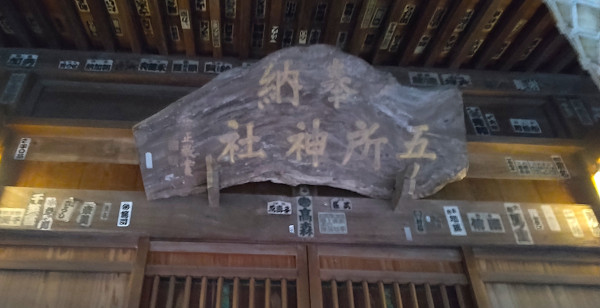
家族に重大な事情が発生し、実家へ帰省した。その帰りに、とある方との約束を果たすために湯河原で途中下車することにした。隣駅だからいつでも行けると、なかなか足が伸びなかったこともある。そこで、序でに観光もしようと駅に近いこの五所神社に立ち寄ることにした。
A serious matter occurred in my family, so I returned to my parents' home. On my way back, I decided to get off the train at Yugawara to keep a promise I had made to someone. Another reason I kept putting it off was that it was only the
next station over, so I could go there anytime. So, I decided to do some
sightseeing while I was at it and stopped by Gosho Shrine, which is close to the station.
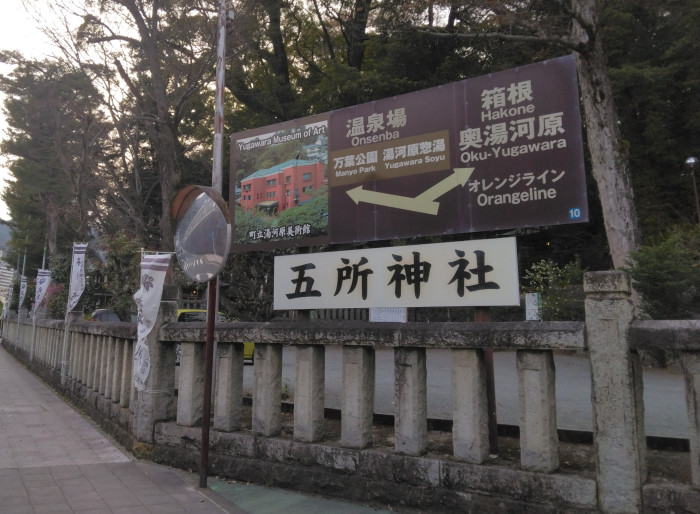
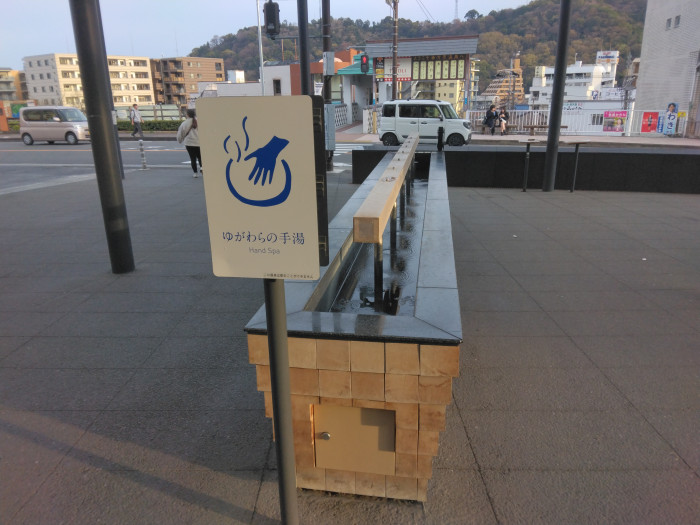
湯河原駅の前には、熱海駅前の足湯ならぬ、手湯がある。老朽化のため2015年から駅前の改修が行われ、2017年に完成した。温泉がちょろちょろと、絶えず零れ落ちている。これは手軽でなかなか面白い。
In front of Yugawara Station, there was a "hand bath"—a variation on the foot
In front of Yugawara Station, there was a "hand bath"—a variation on the foot
baths found at Atami station. Renovations to the station area began in 2015 due to aging facilities and were completed in 2017. Hot spring water constantly
trickles down. This is simple, and actually quite interesting.
設計は、かの有名な建築家、隈研吾氏による。設備には檜と御影石が使用されており、豪華な作りとなっている。隈氏は幼少期から父に連れられて度々湯河原を訪れているようで、この地に愛着があるらしい。手湯の設置については、「木の香りのする、温かく優しい風情のある駅にしたかった」そうである。The facility was designed by the renowned architect Kengo Kuma. It was made of cypress wood and granite, giving it a luxurious feel. Mr. Kuma has frequently visited Yugawara since childhood, accompanied by his father, and holds an
設計は、かの有名な建築家、隈研吾氏による。設備には檜と御影石が使用されており、豪華な作りとなっている。隈氏は幼少期から父に連れられて度々湯河原を訪れているようで、この地に愛着があるらしい。手湯の設置については、「木の香りのする、温かく優しい風情のある駅にしたかった」そうである。
attachment to the area. Regarding the installation of the hand-bath, he said, "I
wanted to create a station with a warm, gentle atmosphere and the scent of
ood."
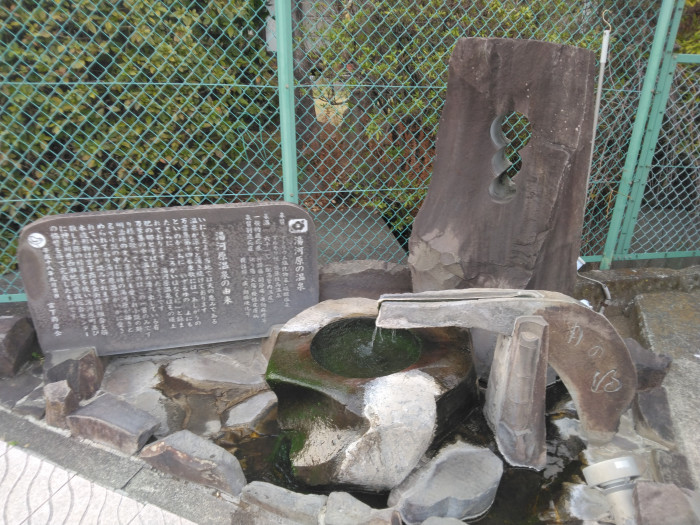
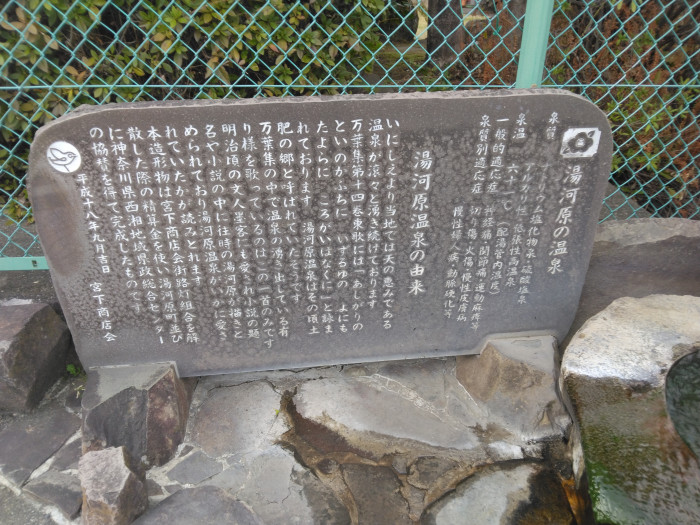
道すがら、歩道脇にひっそりと温泉の湧き出るモニュメントに出会った。隣に
温泉の1300年に渡る歴史や由来を解説した「湯河原温泉由来碑」が建っており、万葉集に掲載されている湯河原温泉の歌が刻まれていた。Along the way, I came across a stone work by the side of the footpath where hot spring water was quietly welling up. Next to it stood the "Yugawara Onsen
Origin Monument," which explains the 1,300-year history and origins of the hot spring. In addition, a poem about Yugawara Onsen from the Manyoshu (an
ancient anthology of Japanese poetry) was also inscribed on it.
(Translation into Modern Japanese)
It is not as if she said her heart would waver—like the hot spring waters gently welling up in the valley of Toi in Ashigari-—yet...
”あしがり”は当時の訛りで現在の足柄、”とい”は湯河原駅の東側辺り一帯の地名で、土肥(現代では”どい”)である。川の間に”出づる湯”なので、湯河原を示している。”たよらに”は、揺れ動いて定まらない意で、”児ろ”は親しい女性を呼ぶ東国の方言であるので、上記の現代語訳となる。"Ashigari" was the dialect at the time, referring to the present-day Ashigara, and "Toi" was the place name for the area east of Yugawara Station, which is
(原文)あしがりのといのかふちに いずるゆの よにもたよらに ころがいはなくに
(解釈)足柄(あしがり)の土肥(とひ)[刀比(とひ)]の河内(かふち)に 出づる湯の 余にもたよらに 子[児」ろが云はなくに
(現代語訳)
足柄刀比(土肥)の谷間の土地に ゆらゆら湧き出る湯のように 決して心が揺れるとあの娘(こ)が 言ったわけではないけれど
It is not as if she said her heart would waver—like the hot spring waters gently welling up in the valley of Toi in Ashigari-—yet...
pronounced "Doi" in modern times. "Tayorani" means a wavering and unsettled heart, and "koro" is an eastern dialect term representing a close female friend,
hence the modern translation provided above.
Incidentally, this spot is highly valued by locals during their daily walks and by
因みにここは、地元民の日常の散歩の際、あるいは寒い時期の観光客の束の間の暖取りなどで、重宝されているそうである。
tourists seeking a moment of warmth during the cold season.
神社には、駅からは徒歩15分ほどで到着する。
The shrine was a roughly 15-minute walk from the station.
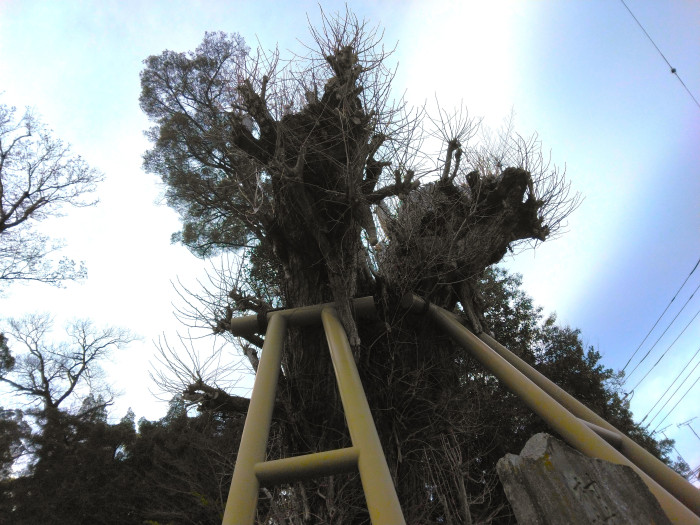
まず目に入るのが、駐車場の敷地内に太い支柱で支えられながら立つ、幹しかないように見える銀杏の大木である。時節柄まだ葉や芽が出ていないので、枯れ木ではないのか、と勘違いされそうだが、暖かくなれば青々と茂る。推定樹齢は800年を超えるとされ、高さは25mながらも、過酷な年月を長い間耐え抜いた荒々しい姿には圧倒されてしまう。
The first thing that caught my eyes was a massive ginkgo tree standing within
the parking lot grounds, supported by thick props and appearing to be nothing more than a trunk. Because of the season, the leaves and buds haven't
appeared yet, so you might mistake it for a dead tree, but it will grow lush and
green once it gets warmer. Though it is estimated to be over 800 years old and only 25 meters tall, its rugged appearance, having endured harsh times for a
long period of time, was truly awe-inspiring for me.
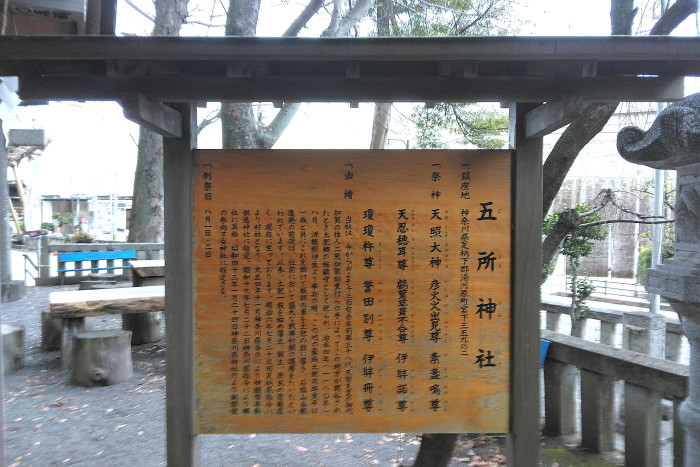
湯河原温泉の湯の産土を祀る五所神社には、天照大神をはじめとする9柱もの祭神が祀られている。その故、多種の御利益があるとされる。
Spring for Yugawara Onsen, also enshrines as many as nine deities, headed by Amaterasu Omikami. or this reason, it is said to bestow a wide variety of divine benefits for people.
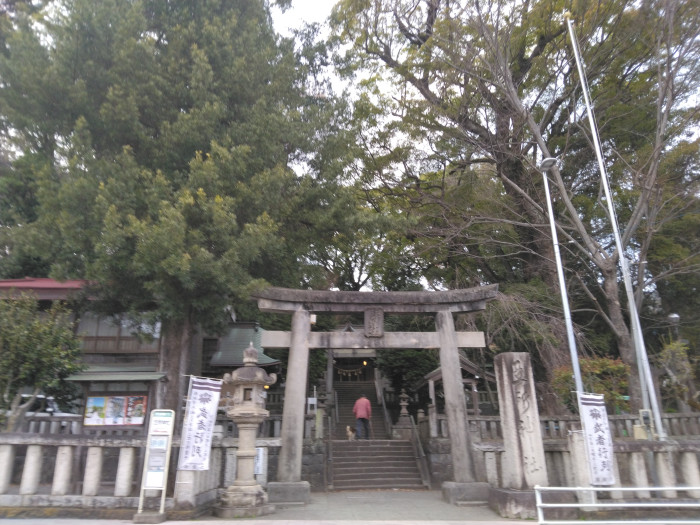
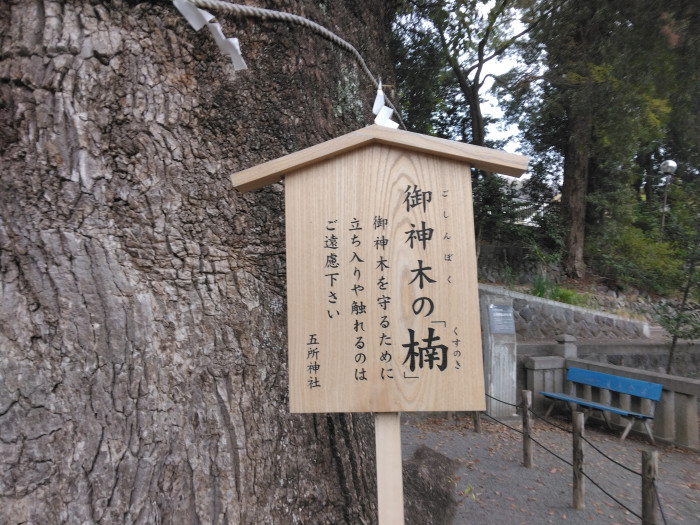
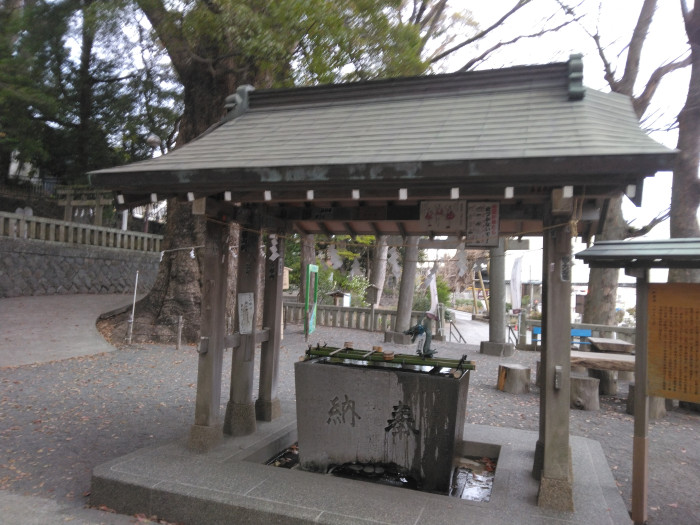
最初の鳥居を潜った脇に佇む手水舎の向こうに、樹齢850年を超える御神木の楠が立っている。先程の銀杏とは打って変わって天へ真っ直ぐ屹立する容姿には、静かな威厳が漂っている。この楠が、天照大神の力を授かっている。
A "chozuya" (purification pavilion) stood just past the first "torii" gate. Beyond it rose a sacred camphor tree, estimated to be over 850 years old. In stark
contrast to the ginkgo tree mentioned earlier, its form—standing tall and
straight, reaching toward the heavens—exuded a quiet dignity. This camphor
tree is endowed with the power of Amaterasu Omikami.
長い樹齢から、健康や長寿の御利益があるとされる。また、源頼朝が石橋合戦に向かう際に、まだ幼木だったこの楠に戦勝を祈願ことから、安全や勝利の御利益もある。
Due to its long lifespan, it is believed to bring blessings of health and longevity. Furthermore, as Minamoto no Yoritomo prayed to this camphor tree, which was still a sapling at the time, for victory before heading to the Battle of Ishibashi, it
is also believed to bring blessings of safety and victory
Due to its long lifespan, it is believed to bring blessings of health and longevity. Furthermore, as Minamoto no Yoritomo prayed to this camphor tree, which was still a sapling at the time, for victory before heading to the Battle of Ishibashi, it
is also believed to bring blessings of safety and victory