

ようやく、夏男が待ちに待った夏が到来した。熱海では一年を通して花火大会が開催されているが、近隣地域での夏限定の花火大会も見ておきたい。ということで、まずは隣町の湯河原で開催される湯河原温泉納涼花火大会を鑑賞してきた。
At last, the summer that the "summer guy" had been so eagerly awaiting has arrived. While fireworks displays are held in Atami throughout the year, I also
wanted to see the summer-only fireworks events in the surrounding areas. So,
first I went to see the Yugawara Hot Spring Summer Fireworks Festival, which was held in the neighboring town of Yugawara.
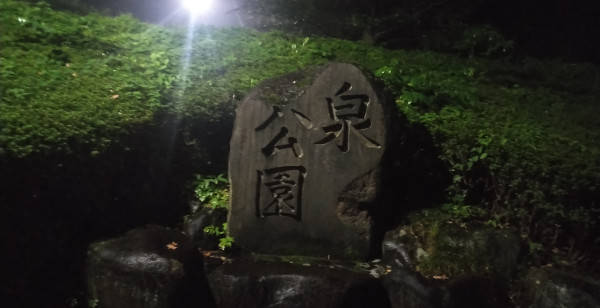
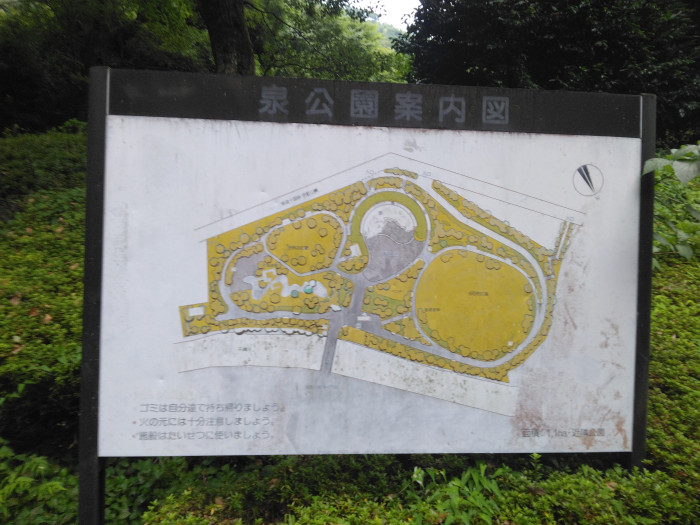
湯河原では8月に海上花火大会もあるが、湯河原温泉納涼花火大会は少し山奥に入った泉公園での花火大会であった。毎年、7月の最終土曜日に開催されている。
Though Yugawara also has a fireworks display over the sea in August, the event was held at Izumi Park, which was a little further into the mountains. It is held annually on the last Saturday of July.
以前に投稿した五所神社にて、少し追加取材が必要だった。公園はそこから近かったので、撮影の終了後、徒歩20分ほどで日が暮れる前に園内の会場に到着することができた。
I needed to conduct some additional research at Gosho Shrine, which I had previously featured on this site. The park was close to the shrine, so after
finishing the shoot, I was able to reach the venue inside the park in about 20
minutes on foot, before sunset.
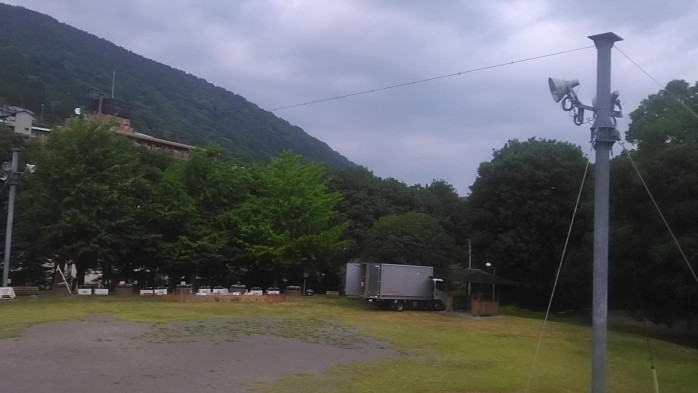
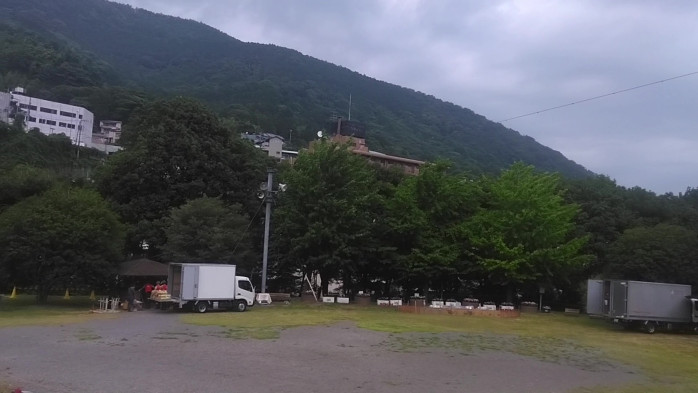
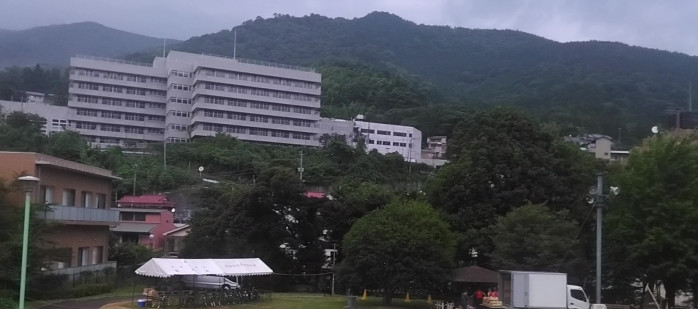
花火が打ち上げられるとは思えない小さな広場で、周囲は樹木で埋め尽くされている。それ故、この大会の触れ込みは、”日本一、間近で見る花火大会”である。
It was a tiny space, surrounded by trees, where I wouldn't expect fireworks to be launched. For this reason, the event is billed as "the fireworks display in
Japan where you can get the closest view."
打ち上げ花火も上がると聞いている。火災の心配はないのだろうかと、少し心配になる。
I had also heard that aerial fireworks would be set off. I was a little worried about the risk of fire.
予報通り、雷を伴う豪雨になった。昨今の予報は精度が低かったので当てにしておらず、降っても小雨程度だろうと高を括っていた。そのため、雨具は全く準備していない。急遽、近隣のコンビニまで走って傘を購入しに行かざるを得なかった。As forecast, a heavy downpour accompanied by thunder arrived. Recent
weather forecasts have been unreliable, so I didn't trust them and assumed that if it rained at all, it would only be a light drizzle. Therefore, I hadn't prepared any rain gear at all. I had to make a quick dash to a nearby convenience store to
buy an umbrella.
Unfortunately, the taiko drumming performance that was scheduled to take
残念なことに、花火の前に開催される予定であった太鼓演奏はさすがに中止されてしまった。
place before the fireworks was canceled.
豪雨の中、大会を実施するかどうか判断している様子が窺える。真っ暗な空に稲光が走る中、決行が言い渡される。この滝のような雨の中で、果たして花火に火が付くのだろうか。払拭できない疑念が頭を擡げるが、大会の成功を祈る気持ちも強く、悪天候にもかかわらず気分が高揚していく。Amidst the torrential rain, it appeared that the event staff were deciding whether or not to proceed with the event. As lightning streaks across the pitch-black sky, the decision was announced to go ahead with the event. In this waterfall-like
豪雨の中、大会を実施するかどうか判断している様子が窺える。真っ暗な空に稲光が走る中、決行が言い渡される。この滝のような雨の中で、果たして花火に火が付くのだろうか。払拭できない疑念が頭を擡げるが、大会の成功を祈る気持ちも強く、悪天候にもかかわらず気分が高揚していく。
rain, would the fireworks even light? Though lingering doubts arose, I also felt a strong desire for the event to be a success, and my spirits lifted despite the bad weather.
豪雨を懸命に傘で凌ぎながらの、花火と雷鳴と稲光の共演という前代未聞の事態になった。これほど希少な映像はないだろう。
It was an unprecedented situation where I had to brave the torrential rain with umbrellas while watching the fireworks, thunder, and lightning performed
together. There is probably no situation rarer than this.
野太いほら貝の笛の音が流れ始めると、広場の左から3,4メートルほどの火柱が一気に上がった。それが2つ、3つと続いて、広場をゆっくり横切ってゆく。これが遠州手筒花火、正式には遠州新居手筒花火である。手筒を抱え、火の粉を浴びながら勇壮に練り歩くこの様子は、”猿田彦煙火”と呼ばれている。湯河原では毎年80~100本から花火が立ち昇る。As the deep, resonant sound of a conch-shell horn began to drift across the
野太いほら貝の笛の音が流れ始めると、広場の左から3,4メートルほどの火柱が一気に上がった。それが2つ、3つと続いて、広場をゆっくり横切ってゆく。これが遠州手筒花火、正式には遠州新居手筒花火である。手筒を抱え、火の粉を浴びながら勇壮に練り歩くこの様子は、”猿田彦煙火”と呼ばれている。湯河原では毎年80~100本から花火が立ち昇る。
venue, a pillar of fire about 3 or 4 meters high shot up suddenly from the left
side of the plaza. Two, then three of those pillars rose in succession, slowly
crossing the place. This is the Enshu Hand-held Firework, more formally known as the "Enshu Arai Tezutsu Firework". This spectacle, in which men carry hand-held fireworks and parade bravely through the square while being showered
with sparks, is known as "Sarutahiko (the name of one God written in Japanese old legend) Fireworks." At the Yugawara venue, 80 to 100 fireworks are
launched each year.
”遠州新居”とは、現在の静岡県湖西市、いわゆる浜名湖の西に当たる。この町内の諏訪神社にて江戸時代から300年以上続く夏祭りで、この手筒花火がいつから始まったのかは定かでないものの、江戸時代の貞享年間に作成された新居長の歴史的資料に「七月廿六日の夜は諏訪の御社の広庭におゐて花火を揚、神慮いさめ奉る御代御繁栄に随って民もゆたかに神祭年々賑やかに、提灯も花火も弥増しにて…」との記載がある。
This summer festival, held at the local Suwa Shrine, has continued for over 300 years, dating back to the Edo period. While the exact origin of the hand-held
fireworks remains uncertain, a historical document concerning the town of Arai, compiled during the Jōkyō era (1684–1688) of the Edo period, contains the
following account:"On the night of July 26th, fireworks are set off in the spacious courtyard of the Suwa shrine. Thanks to the prosperity of our generation, brought about by the
will of the gods, the people are also thriving, the shrine festivals grow more
vibrant each passing year, and the number of lanterns and fireworks is
increasing year by year..."